 United Kingdom vs Turkey
 United States vs Turkey
 Germany vs Turkey
 France vs Turkey
 Spain vs Turkey
 Sweden vs Turkey
 Denmark vs Turkey
 Finland vs Turkey
 Ireland vs Turkey
 Netherlands vs Turkey
 Norway vs Turkey
 Australia vs Turkey
Dental Implants in Turkey: Cost, Procedure, Recovery and Patient Guide
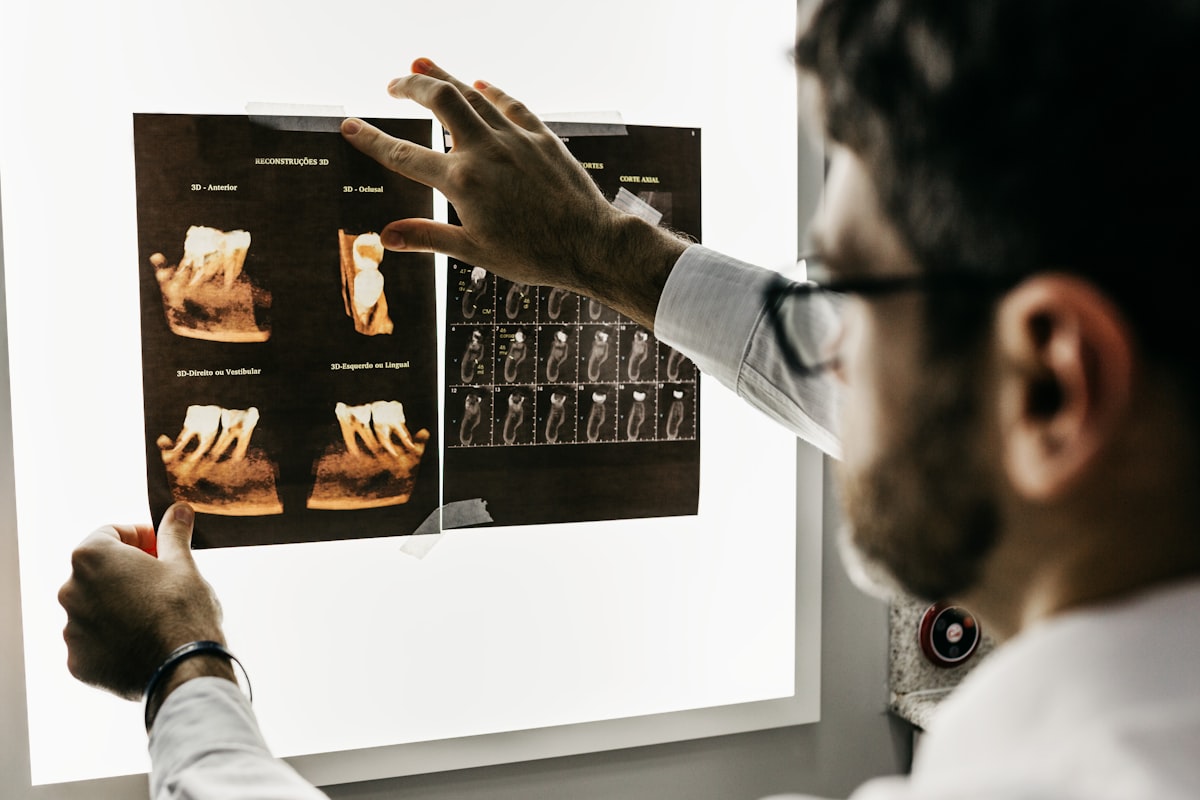
Dental implants are artificial tooth roots placed in the jaw to support a crown, bridge or fixed full-arch restoration. In Turkey, treatment normally includes examination, 3D imaging, implant placement, a healing period and a second visit for the final teeth.
Award-winning clinics
Treatment only at accredited partner clinics we independently vet and monitor.
Brand-name materials
Straumann, Nobel Biocare, E-max and premium zirconia, documented in writing.
Care after you fly home
Written guarantee plus remote follow-up with your clinical team on WhatsApp.
What is dental implants?
A dental implant is a biocompatible fixture placed in the jawbone to replace the root of a missing tooth. Once stable, it can support a single crown, a multi-unit bridge or a full-arch prosthesis. The visible tooth is not the implant itself: the restoration is connected through an abutment selected for the patient’s bite, gum profile and aesthetic requirements.
A safe plan explains the diagnosis, why the method is appropriate, what alternatives exist and what may change after examination. For international patients, an online quote is preliminary until the treating dentist examines the mouth and reviews the required imaging. DentistGuideTurkey provides independent comparison guidance; final diagnosis and consent remain with the treating professional.
Who is a good candidate?
Typical candidates have one or more missing or non-restorable teeth, enough healthy bone to stabilise an implant, controlled gum health and medical conditions that are sufficiently managed for elective oral surgery. Age alone is rarely the deciding factor; bone quality, healing capacity, oral hygiene, smoking status and the ability to attend follow-up are more important.
Uncontrolled diabetes, active periodontal infection, heavy smoking, untreated tooth grinding, inadequate bone volume and some medicines or medical conditions may increase risk or require additional planning. A remote photograph can support an initial estimate, but it cannot replace a clinical examination and CBCT assessment.
Suitability should include medical history, medicines, allergies, nicotine use, previous treatment, gum health, bite forces and the patient’s ability to maintain the result. Photographs support triage, but X-rays or CBCT may still be required.
What are the main benefits?
- Replaces a missing tooth without relying on neighbouring teeth for support.
- Can improve chewing stability compared with a removable appliance.
- Helps preserve function and may reduce the bone changes that follow tooth loss.
- Supports single teeth, bridges, overdentures and fixed full-arch solutions.
- Offers a long-term treatment pathway when hygiene and maintenance are consistent.
The strongest outcome is not simply the whitest or fastest result. It is a result that preserves appropriate tissue, functions comfortably, can be cleaned and has a realistic maintenance pathway.
How does the procedure work?
- Remote pre-assessment: the patient sends dental photographs, medical information and any recent panoramic X-ray or CBCT.
- Clinical diagnosis: the dentist examines the mouth, records the bite, evaluates gum health and reviews three-dimensional bone anatomy.
- Treatment planning: implant position, diameter, length, brand, grafting needs and the temporary-tooth strategy are documented.
- Surgery: the site is numbed, the implant is placed according to the plan and a healing component or cover screw is fitted.
- Healing: the implant integrates with bone while the gums mature. Temporary teeth may be fixed or removable depending on stability and load.
- Final restoration: impressions or digital scans are taken, the bite and aesthetics are tested, and the definitive crown or bridge is fitted.
The sequence may change after examination. Gum disease may need stabilisation, infection may need imaging, or temporary work may need to remain longer. International patients should keep enough travel flexibility for checks and adjustments.
Materials, techniques and digital dentistry
Common options include conventional titanium implants, zirconia implants in selected indications, immediate placement after extraction, delayed placement after healing, guided surgery, bone grafting and sinus augmentation. Brand selection should be based on traceability, component availability, clinical indication and long-term serviceability rather than marketing alone.
Digital scans, photographic records, guided planning and computer-aided manufacturing can improve communication and reproducibility. They do not replace clinical judgement. Patients should ask which stages are digital, who makes the restoration and how fit, aesthetics and bite are verified.
How much do dental implants cost in Turkey?
The current DentistGuideTurkey starting point is from £300 per implant. This is indicative rather than a diagnosis-based quotation.
The main cost variables are:
- Implant brand and component system.
- Need for extraction, grafting or sinus lift.
- Single crown versus bridge or full-arch restoration.
- Temporary teeth and laboratory material.
- Clinician experience, imaging and sedation.
- Hotel, transfers and length of stay.
A transparent quote separates essential care from optional upgrades and states whether imaging, temporary work, medication, laboratory changes, hotel, transfers and follow-up are included.
How long should an international patient stay?
The typical pathway is usually two visits; the surgical visit is commonly 2–3 nights and the restorative visit 5–7 nights after healing. Stay length should reflect the number of stages, laboratory production, try-ins and post-treatment review. Same-day techniques are useful in selected cases, but speed should not remove necessary diagnostic, healing or verification steps.
Recovery and aftercare
Swelling and tenderness are usually most noticeable during the first few days. Patients are commonly advised to use prescribed medication correctly, apply cold packs as instructed, avoid smoking and alcohol, eat a soft diet and keep the area clean without disturbing the wound. Persistent bleeding, increasing swelling after several days, fever, numbness that does not improve or severe pain requires prompt clinical review.
Written instructions should explain diet, cleaning, medicines, normal symptoms, warning signs and who to contact. Long-term maintenance normally includes daily plaque control, professional examinations and management of grinding or smoking. Guarantee conditions should be supplied before payment.
Risks, limitations and possible complications
Possible complications include infection, failure of osseointegration, gum recession, damage to neighbouring structures, sinus involvement in the upper jaw, temporary or persistent altered sensation in the lower jaw, screw loosening, ceramic fracture and peri-implant disease. Good planning lowers risk but does not eliminate it.
No responsible page should promise risk-free treatment, no discomfort for every patient or automatic lifetime survival. Consent should cover common risks, important uncommon risks and the plan if a problem occurs after the patient returns home.
Prefer to fill in a quick form?
Fill in our short consultation form and our patient team will prepare your personalised offer.
Get an Offer via Our FormHow does it compare with alternatives?
Compared with a bridge, an implant can avoid preparing adjacent teeth, but it requires surgery and healing time. Compared with a removable denture, it usually provides greater stability, but it costs more and requires sufficient bone and daily cleaning. The correct option depends on the condition of the remaining teeth, the span of the gap and the patient’s priorities.
Compare options by tissue preservation, need for surgery, treatment time, hygiene, repairability and future maintenance, not only the initial package price.
Why do patients travel to Turkey?
Turkey offers multilingual care, modern clinics and efficient laboratories. Lower operating costs can reduce prices, but price alone does not establish quality. Verify the clinic’s legal identity, treating dentist, professional registration, imaging standards, material documentation, emergency pathway and aftercare responsibilities.
The practical draw is scheduling: a course of treatment that would be spread over many months at home is planned as one or two trips, with the laboratory in the same building as the clinic. That is also why the written plan matters more here than it would at home. You are agreeing to the whole course of treatment before you fly.
Questions to ask before booking
- Who is the treating dentist, and what is their relevant experience?
- What diagnosis supports every item in the plan?
- Is there a more conservative or non-surgical alternative?
- Which brand and material will be documented?
- What may change after examination?
- How many appointments and try-ins are included?
- Who manages complications after I return home?
- What does the written guarantee cover and exclude?
Ask for the implant certificate, every time
The implant is the one part of the treatment you never see again once the gum closes over it. From the outside, a premium fixture and an unbranded copy look identical — the crown on top tells you nothing, and neither will your dentist at home. The certificate is what makes the part in your jaw knowable.
Why the certificate matters
The implant certificate — often issued as an implant passport — is the document that ties the fixture in your jaw to a manufacturer, a specific product reference and a production batch. Two things follow from it. It is what puts you inside the manufacturer's guarantee rather than outside it. And it is what lets any dentist, anywhere, order the abutment or screw that actually fits, years later, without opening your mouth to guess. A dentist who cannot identify a component will usually — and reasonably — advise replacing the whole restoration rather than repairing it. That is an expensive way to find out the paperwork was missing.
The risk it protects you against
A written quote can name a well-known brand while a cheaper fixture is placed on the day. It is invisible at the time, invisible on the X-ray to an untrained eye, and it is the single substitution a patient has no way of catching without documentation. A certificate issued in your name, carrying the brand, reference and batch, is the check that makes that substitution detectable. Ask for the brand in writing before you accept a plan, and ask for the certificate itself before you fly home.
What a real implant certificate shows
- Manufacturer and implant system : the company and the specific line, not just "titanium implant".
- Product reference code : the catalogue number of the fixture that was actually placed.
- Batch or lot number : traceable back to the production run, which is the part a copy cannot fake.
- Diameter and length : the dimensions that decide which abutment and screw fit later.
- Tooth position and date of placement : which implant is where, and when.
- Your name and the treating clinic : a certificate with no patient named on it certifies nothing.
- Guarantee terms : what the manufacturer covers, what the clinic covers, and what voids either.
Implant packaging carries a peel-off sterile label printed with the reference and batch number. A clinic working properly peels that label onto your record while you are in the chair — you can ask to see it done. If a clinic will not name the brand in the written plan before surgery, or hands you nothing afterwards, that is the point to stop. The price is not the problem in that situation; the traceability is.
What to do with it once you are home
Keep the certificate with the rest of your treatment file — the written plan, the prosthetic material specification, the post-operative radiographs and the guarantee terms — and give your own dentist a copy at your first check-up. Documented work is maintainable in any country. Undocumented work is not, and no guarantee can rescue a fixture nobody can identify.
Every clinic we refer to issues an implant certificate as standard, in the patient's name, with the brand and batch recorded. It is on the list of documents we check you are leaving with.
Frequently asked questions about dental implants
How long do dental implants take?
The surgical appointment may take less than an hour for a straightforward single implant, but the complete treatment commonly spans several months because the implant must heal before the final crown is loaded.
Do dental implants hurt?
Local anaesthesia is used during placement. Post-operative soreness is expected, but severe or worsening pain is not considered routine and should be assessed.
Can implants be placed immediately after extraction?
Sometimes. Immediate placement depends on infection control, bone anatomy, gum condition and whether adequate primary stability can be achieved.
How long do implants last?
Implants can function for many years, but no ethical provider should promise that every implant will last for life. Smoking, gum disease, hygiene, bite forces and maintenance materially affect longevity.
Will I need a bone graft?
A graft may be recommended when the available bone is too narrow or too short for the planned implant position. CBCT imaging is normally required to determine this.
How should I choose a clinic in Turkey?
Confirm the treating dentist, implant brand, written plan, grafting assumptions, final prosthetic material, aftercare process and what happens if healing or treatment timing changes.
Key takeaway
Dental implants are artificial tooth roots placed in the jaw to support a crown, bridge or fixed full-arch restoration. In Turkey, treatment normally includes examination, 3D imaging, implant placement, a healing period and a second visit for the final teeth. The correct plan is individual. Use online information to prepare questions, then rely on examination and appropriate imaging for the final clinical decision.
Read further before you decide
If you want the clinical detail behind dental implants rather than the commercial summary:
Related reading
Medical sources used for this page
- American Dental Association, MouthHealthy: Implants
- NHS: Dental treatments
- Guy's and St Thomas' NHS Foundation Trust: Bone grafting for dental implants
Patient information only. This page does not replace examination, diagnosis or treatment by a qualified dental professional.